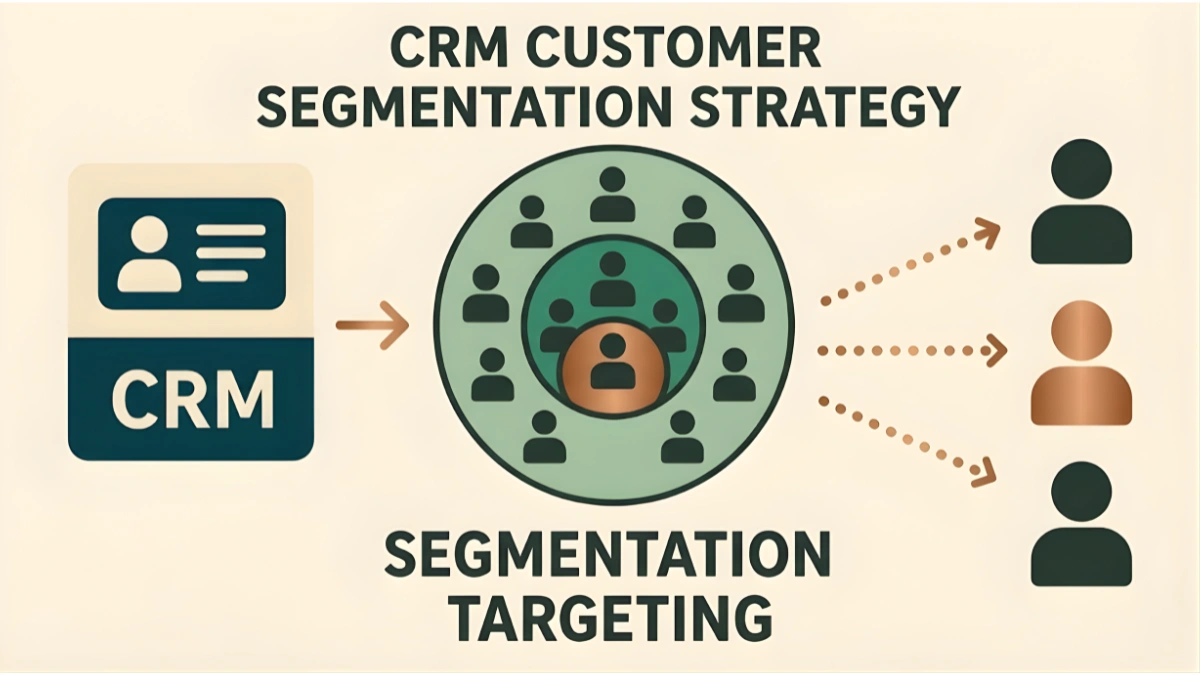
Customer segmentation has emerged as one of the most valuable capabilities that CRM software offers, largely because modern customer relationships now hinge on personalization, behavioral insight, and well-timed communication. Businesses that apply a one-size-fits-all approach to their customers frequently miss conversion opportunities, since buyers respond far more positively when outreach reflects their actual interests, spending habits, and engagement history.
CRM systems enable businesses to transform raw customer data into actionable groups, simplifying the delivery of targeted offers, boosting campaign efficiency, and reinforcing long-term customer loyalty. The structured framework presented here makes it clear that CRM has evolved well beyond simple contact management—it now functions as a strategic engine driving customer targeting, sales intelligence, and revenue expansion.
Why Customer Segmentation Matters in Modern Business
Businesses gather customer data on a daily basis, yet raw information alone does not drive better performance.
Segmentation adds value by organizing customers into purposeful, meaningful groups.
Main benefits include:
- More personalized communication
- Better campaign relevance
- Higher conversion rates
- Improved retention
- Smarter budget allocation
This enables businesses to concentrate their efforts on the most relevant audience.
How CRM Makes Segmentation Practical
Modern CRM systems consolidate extensive volumes of customer information within a single platform.
This typically encompasses:
- Demographic details
- Purchase history
- Website activity
- Communication records
- Sales interactions
Because all of this data remains interconnected, segmentation becomes considerably more precise.
Common Types of Segmentation Businesses Use
CRM platforms accommodate several segmentation models tailored to different business objectives.
The most widely used include:
- Demographic segmentation
- Behavioral segmentation
- Transactional segmentation
- Engagement-based segmentation
Each category allows businesses to tailor their communication accordingly.
Behavioral Segmentation Delivers Strong Results
Customer behavior frequently reveals more than basic profile data ever could.
Businesses rely on CRM to monitor:
- Product interest
- Email engagement
- Repeat visits
- Purchase timing
This allows companies to pinpoint high-intent customers more quickly.
How Targeting Improves Marketing ROI
Targeting delivers its best outcomes when campaigns align precisely with customer needs.
CRM enhances targeting by enabling businesses to:
- Send relevant offers
- Reduce wasted spend
- Increase response quality
The result is a notable improvement in overall marketing efficiency.
Top CRM Platforms for Segmentation and Targeting
| CRM Platform | Segmentation Strength | Targeting Tools | Pricing |
|---|---|---|---|
| HubSpot CRM | Smart lists and behavior tracking | Email workflows, lead scoring | Free / Paid tiers |
| Salesforce CRM | AI segmentation and analytics | Predictive targeting | $25+/user |
| Zoho CRM | Custom segmentation fields | Campaign automation | $14+/user |
| ActiveCampaign | Dynamic segmentation | Email and SMS targeting | $29+/month |
Why AI Is Changing CRM Targeting
Artificial intelligence is now making a substantial difference in how businesses approach customer targeting.
Contemporary CRM systems leverage AI to handle:
- Predicting purchase intent
- Identifying churn risk
- Suggesting campaign timing
This results in significantly more accurate targeting outcomes.
CRM Helps Sales Teams Too
The advantages of segmentation extend well beyond marketing alone.
Sales teams also gain value because CRM helps them identify:
- High-value prospects
- Repeat buyers
- Strong upsell opportunities
This leads to measurable gains in sales efficiency.
Challenges CRM Helps Solve
Without a CRM in place, businesses commonly struggle with:
- Fragmented customer data
- Outdated records
- Weak campaign visibility
CRM addresses these issues by centralizing all customer intelligence in one location.
How Businesses Improve Segmentation Over Time
Effective segmentation grows stronger when businesses commit to continuously refining their data.
Key actions to prioritize include:
- Updating records regularly
- Monitoring engagement
- Reviewing segment performance
These habits reinforce targeting quality over the long term.
FAQs
1. Can CRM improve campaign ROI?
Yes, well-targeted communication generally produces stronger results.
2. Which CRM is best for small businesses?
HubSpot and Zoho continue to be highly regarded options.
3. Is segmentation useful beyond marketing?
Yes, both sales and support teams stand to benefit as well.
4. Does AI improve targeting quality?
Yes, predictive targeting enhances overall precision considerably.
5. Should customer segments change often?
Yes, keeping segments updated dynamically leads to better accuracy.
Conclusion: CRM-driven customer segmentation has grown indispensable because businesses now compete on the basis of relevance, timing, and personalization. Companies that master segmentation consistently see improvements in campaign efficiency, customer retention, and sustained revenue growth.
Disclaimer: This article is intended for informational purposes only. CRM pricing, segmentation capabilities, and software features may vary based on vendor updates and subscription plans. Businesses are encouraged to confirm official product details before committing to any CRM platform.